


Sustainable Living
Watched Netflix’s The Plastic Detox? Here’s How to Reduce Plastic in Your Home
Sep
Watched Netflix’s The Plastic Detox? Here’s How to Reduce Plastic in Your Home
How much plastic do you touch before you’ve even finished breakfast?
From food packaging to water bottles, synthetic materials are woven into almost every step of our morning routines. Netflix’s documentary The Plastic Detox asks us to look closer at those habits and consider where small, meaningful changes are possible.
Guided by environmental and reproductive epidemiologist Dr. Shanna Swan, the film follows six couples experiencing unexplained infertility as they work to lower their exposure to plastic-related chemicals over three months. While it offers a compelling personal look into the issue, it also leaves everyday households with an important question: where should we actually begin?
Understanding Microplastics vs. Plastic Chemicals
To make smart choices at home, it helps to separate two distinct concerns that are often confused:
-
Plastic Chemicals (Bisphenols & Phthalates): Additives used to make plastics soft, rigid, or flexible. Research from organizations like the NIEHS shows these can act as endocrine disruptors, interfering with natural hormone signaling.
-
Microplastics: Microscopic physical particles of degraded plastic. Researchers are actively investigating how particle accumulation affects human health, though many long-term questions remain unresolved.
It is equally important to view the documentary with a balanced lens. Six couples’ personal experiences cannot scientifically establish that a “plastic detox” improves fertility. As outlined in the accompanying background research, larger controlled studies are still required.
The main takeaway? You can take sensible steps to lower daily exposure without treating a home plastic reduction as a miracle medical fix.
3 Practical Ways to Start Reducing Plastic Today
1. Change How You Heat and Store Food
Heating plastic dramatically accelerates the rate at which chemicals leach into food and liquids.
-
The Quick Fix: Avoid microwaving food in plastic containers. Switch to suitable glass, porcelain, or ceramic alternatives for hot food.
-
Budget Tip: Check your cupboards before buying anything new—you likely already own a microwave-safe glass or ceramic bowl. When old plastic containers wear out, gradually replace them with durable glass or stainless steel options.
2. Rethink the Disposable Bottle Habit
Single-use plastic bottles are one of the primary drivers of everyday plastic waste and exposure.
-
The Quick Fix: Switch to a high-quality stainless steel or glass reusable bottle filled from a trusted drinking water supply.
-
Habit Tip: Choose a bottle that is comfortable to carry and easy to clean so using it becomes second nature.
3. Ask Specific Questions About Drinking Water Filtration
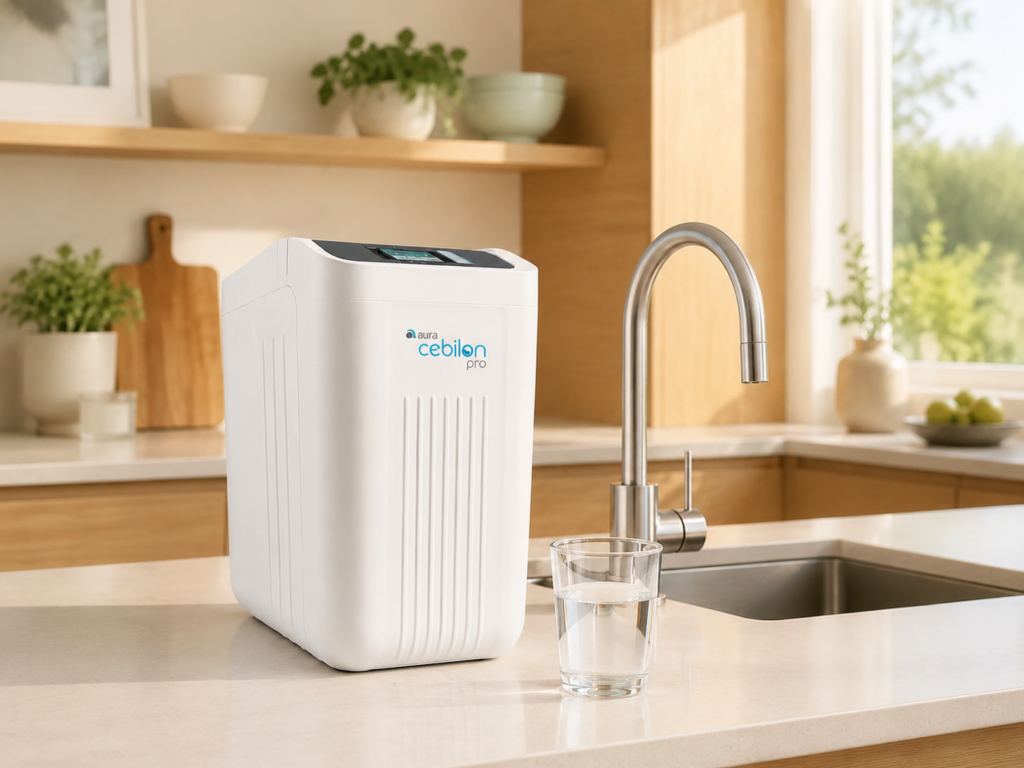
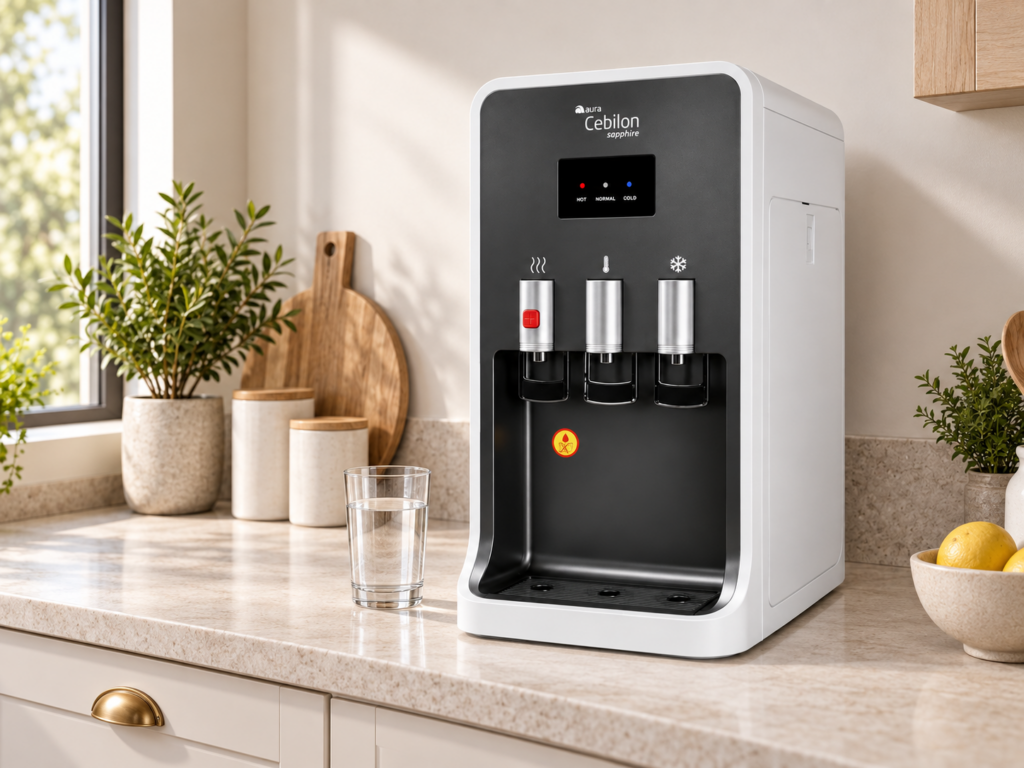
The documentary has prompted many viewers to re-examine what comes out of their tap. If you are considering a home filtration system, cut through vague marketing claims like “purified water” by asking three specific questions:
-
Testing: What exact contaminants and microplastics has this model been independently certified to reduce?
-
Maintenance: What replacement filters are required, and how often must they be changed to maintain performance?
-
Efficiency: For systems like reverse osmosis, what is the ratio of drinking water to reject water?
Make Changes at Your Own Pace
You don’t need to purge your entire house overnight. Total avoidance of plastic chemicals is impossible in the modern world, and systemic change ultimately relies on manufacturers creating better packaging.
Start with one routine this week, whether that is reheating leftovers in a glass dish, bringing a reusable bottle to work, or checking labels while shopping. At Aura Home Well, we believe practical information should empower you to make steady, confident choices for your living space.
Curious About Home Water Filtration?
Explore our Guide to Reverse Osmosis Technology to learn how multi-stage filtration works, understand water streams, and discover the right questions to ask before investing in a system.