
Water News & Quality
How Hard Water Affects Tea and Coffee: Why Your Brew Tastes Off
Oct
The Science Behind Why Your Winter Tea and Coffee Taste Off
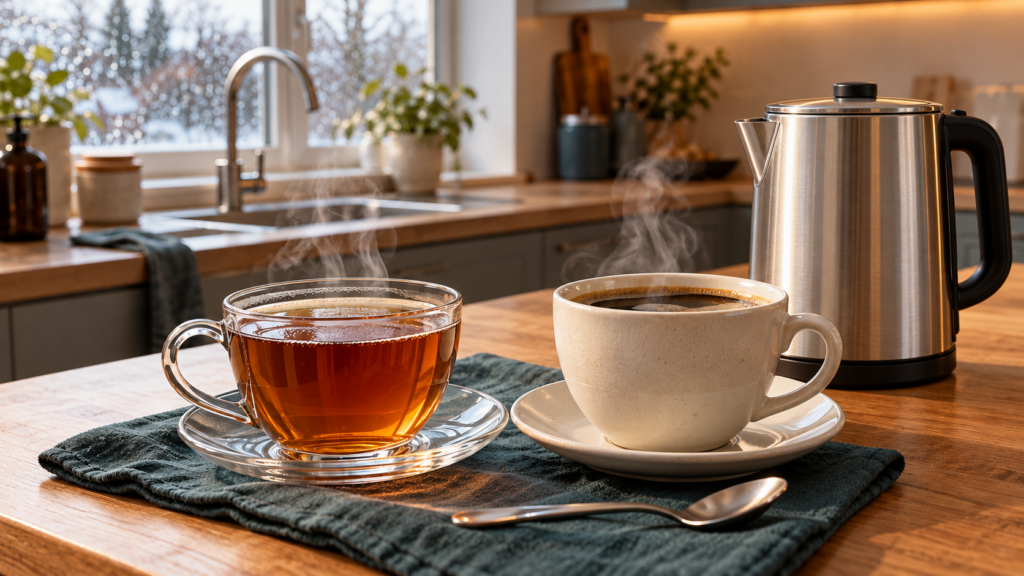
As the cold weather sets in, boiling the kettle is the first thing most of us do in the morning. Whether you look forward to a steaming mug of tea or freshly brewed coffee, that hot drink should be the highlight of your day.
Instead, many people in the UK deal with the same frustrating routine every winter: an oily-looking skin floating on their tea, coffee that tastes unusually harsh or dull, and a kettle coated in white flakes after just a couple of weeks.
Most people assume they bought the wrong beans or need a stronger tea brand. In reality, the issue is coming straight from the tap.
The UK Tap Reality: Pure Dissolved Rock
London’s water is officially among the hardest in the UK.
According to data from the Drinking Water Inspectorate (DWI), water hardness in Greater London consistently exceeds 200 to 300+ mg/L of calcium carbonate, well past the 180 mg/L threshold categorised as “very hard.”
Because London’s water filters through underground chalk and limestone, it arrives in your kitchen packed with dissolved calcium and magnesium. When you heat it, these minerals solidify into calcium carbonate: the stubborn limescale that furs your kettle elements, clogs coffee machine boilers, and forces your appliances to consume extra energy just to reach a boil.
How London Water Changes Your Brew
A cup of tea is over 99% water, and coffee is over 98%. When your brewing water is already saturated with chalk, extraction breaks down:
- The Oily Film on Your Tea: In a study published by the American Institute of Physics, researchers confirmed that the brittle skin on hard-water tea is formed when calcium carbonate binds directly with natural tea polyphenols (tannins). This chemical reaction traps delicate aromas, creates an astringent aftertaste, and produces that familiar murky residue around the mug.
- Bitter, Flat Coffee: The Specialty Coffee Association (SCA) points out that ideal coffee brewing requires balanced water (around 150 mg/L Total Dissolved Solids). High mineral levels act as an alkaline buffer, wiping out the bright, natural acidity of quality beans while pulling out heavy, bitter compounds unevenly.
- Appliance Wear and Tear: Scale acts like an insulating jacket over heating coils. Over winter, unsoftened hard water slowly calcifies internal valves, pumps, and elements, cutting down appliance lifespan and leading to expensive repairs.
Standard Filter Jugs vs. Reverse Osmosis
Countertop filter jugs can help with chlorine taste for a short while, but their tiny filters saturate rapidly under London’s heavy mineral levels. Within a week or two, hard calcium slips right through into your kettle again.
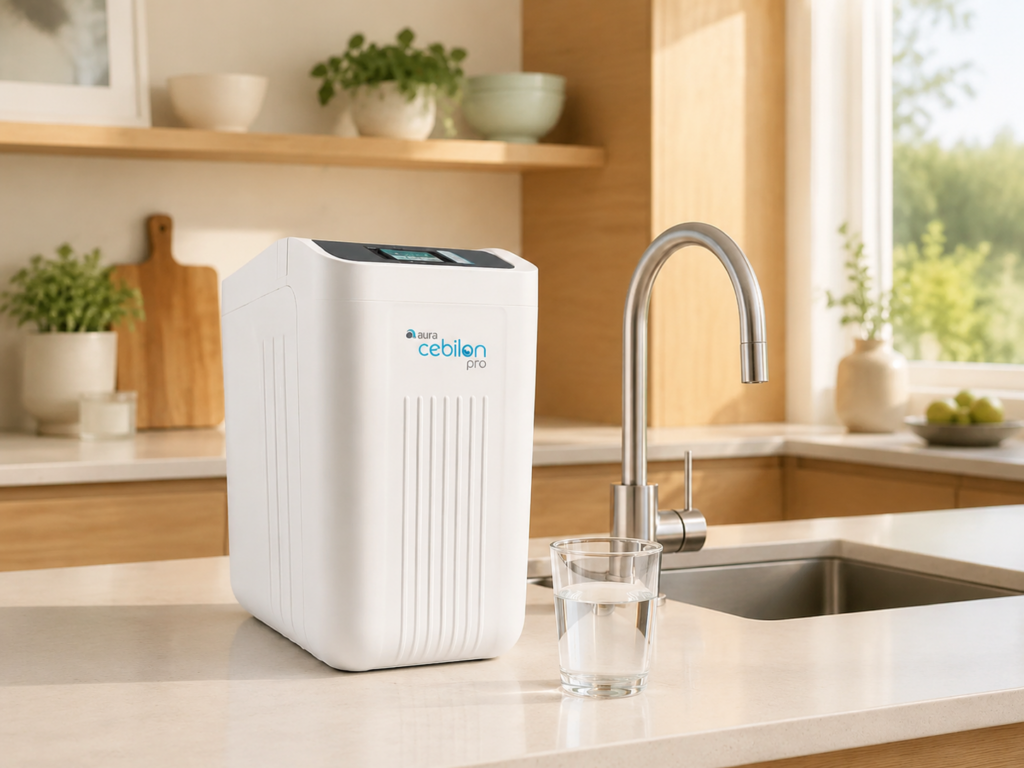
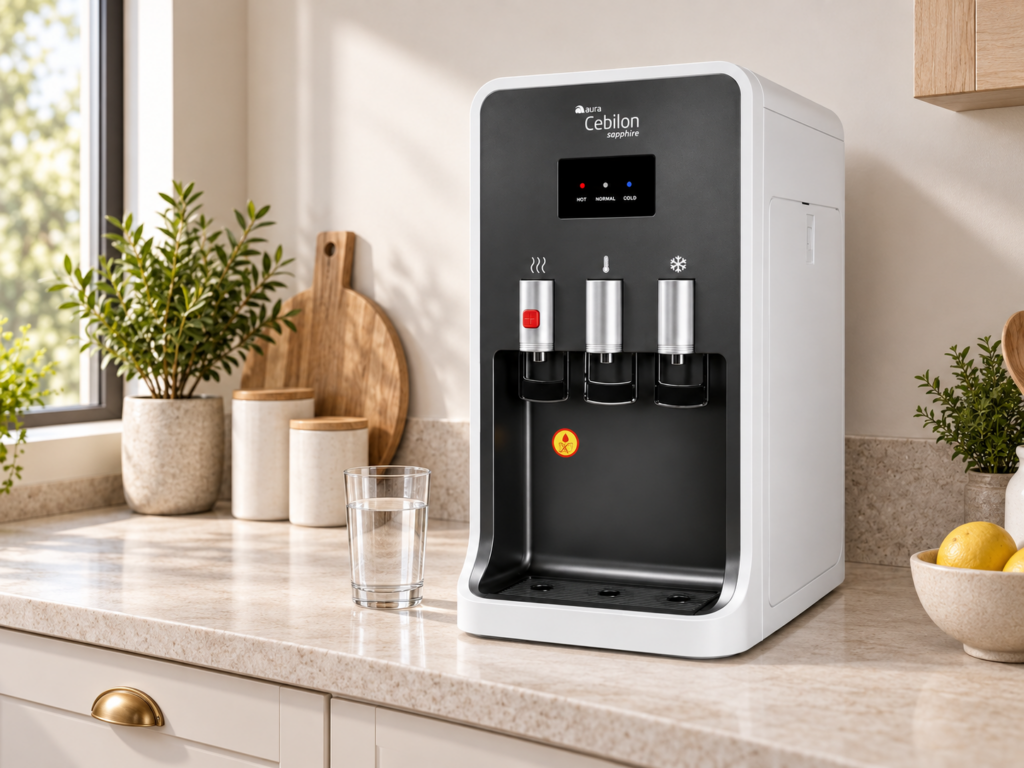
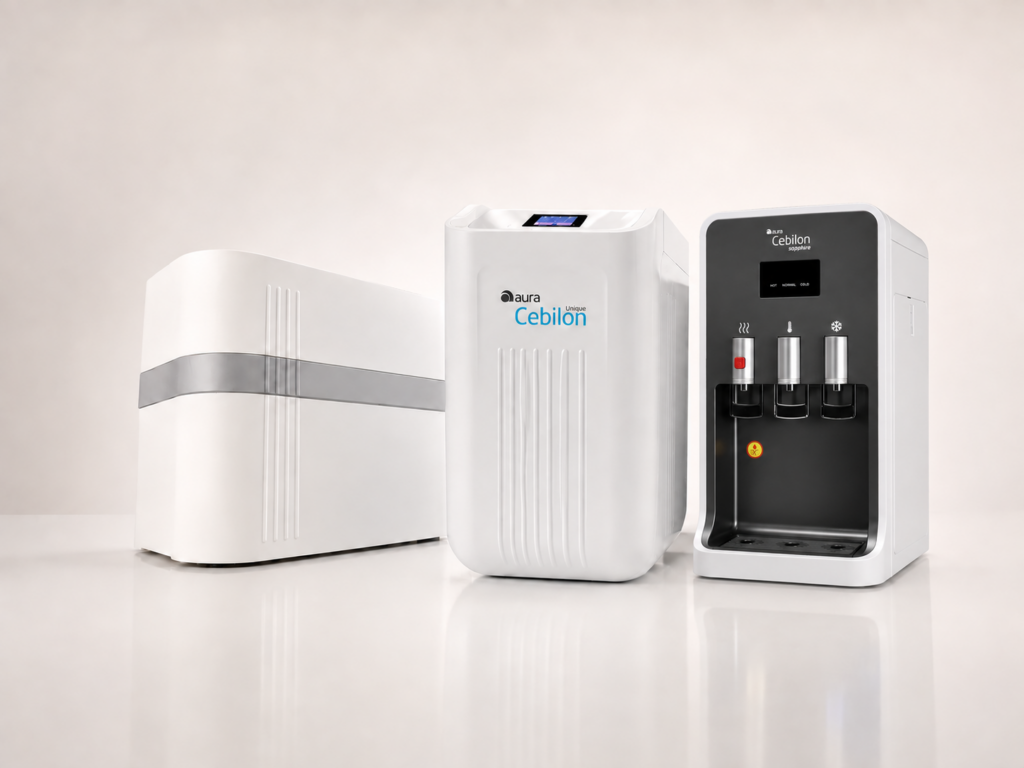
A modern, tankless Reverse Osmosis (RO) system solves the problem at the physical level. By pushing water through a microscopic membrane (0.0001 microns), systems to remove up to 99% of total dissolved solids, limescale, microplastics, and heavy metals.
Installed neatly under your kitchen sink, an RO system gives you on-demand, purified water through a dedicated tap.
What changes in your kitchen:
- Tea pours bright and aromatic, completely free of surface film.
- Coffee reveals its true roast notes and natural sweetness.
- Kettles and coffee machines stay completely scale-free, saving energy and putting an end to endless descaling cycles.
Before you blame your tea bags or switch coffee roasters this winter, check your water. When the base ingredient is pure, the flavour takes care of itself.