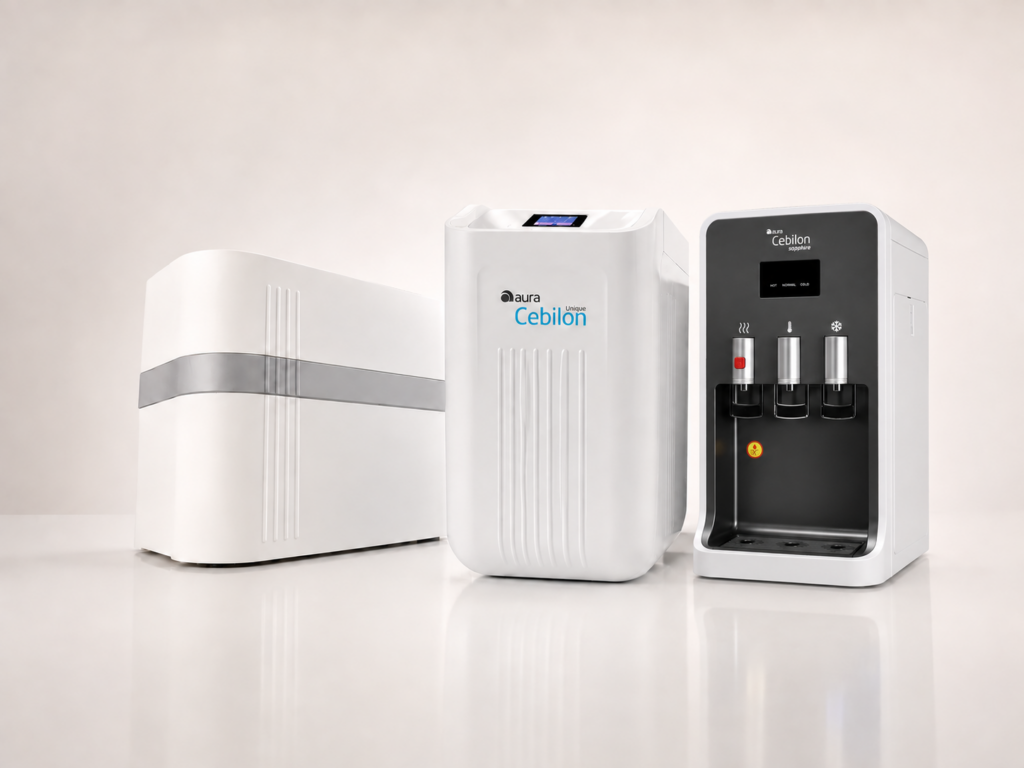
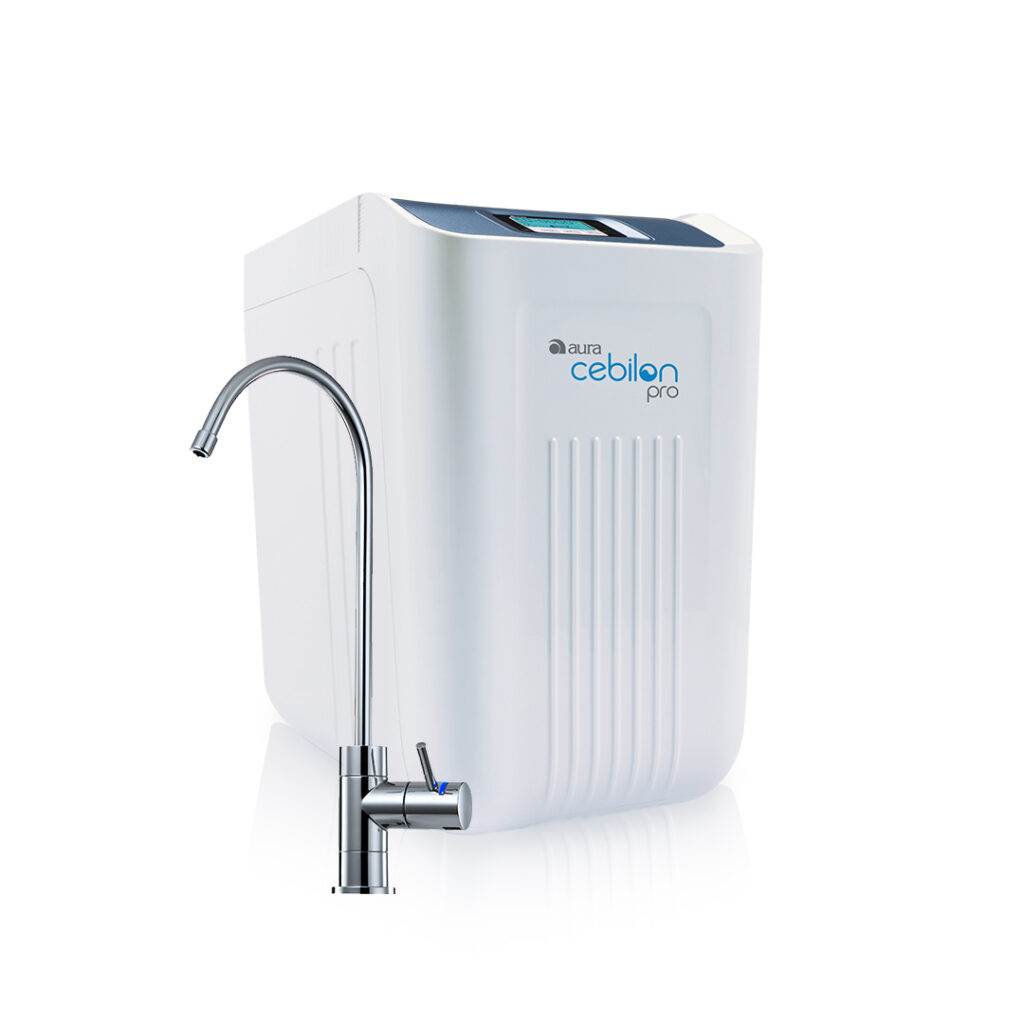
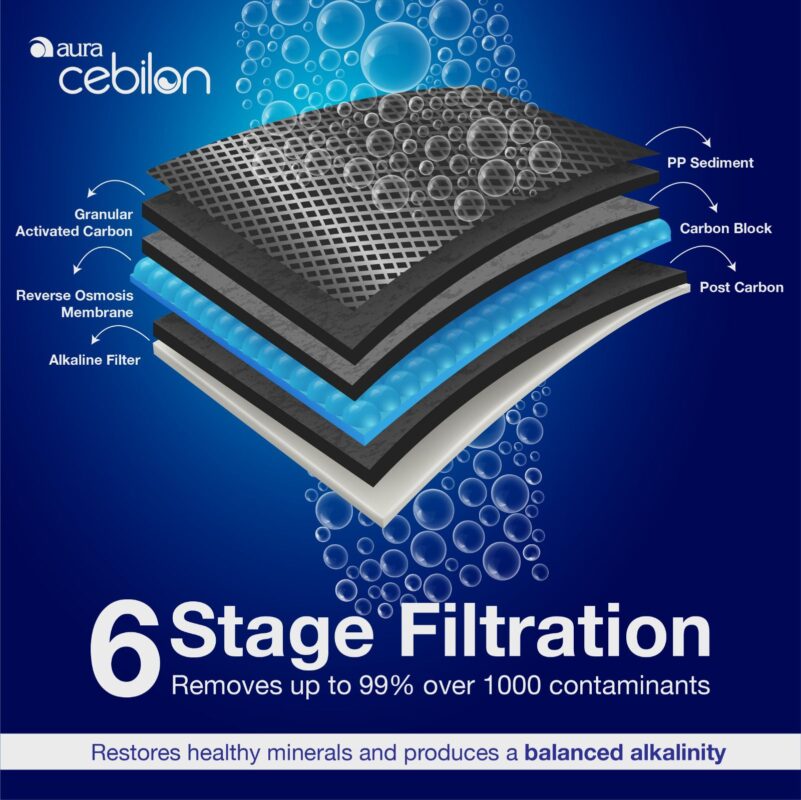
Aura Pro System Features

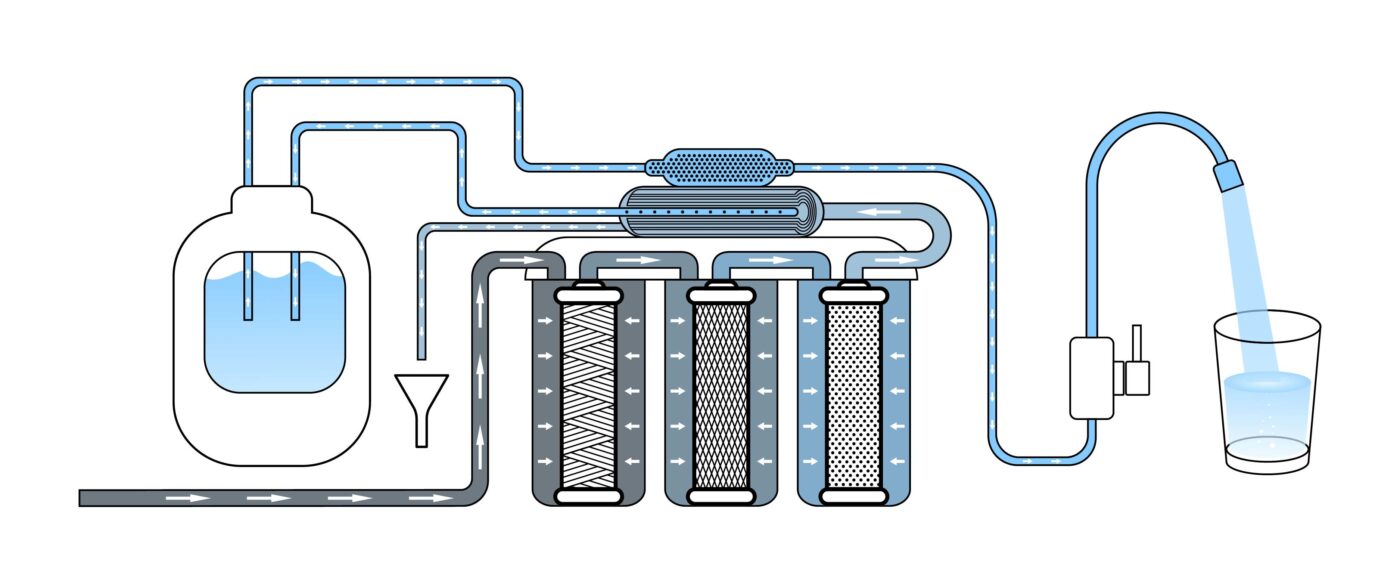
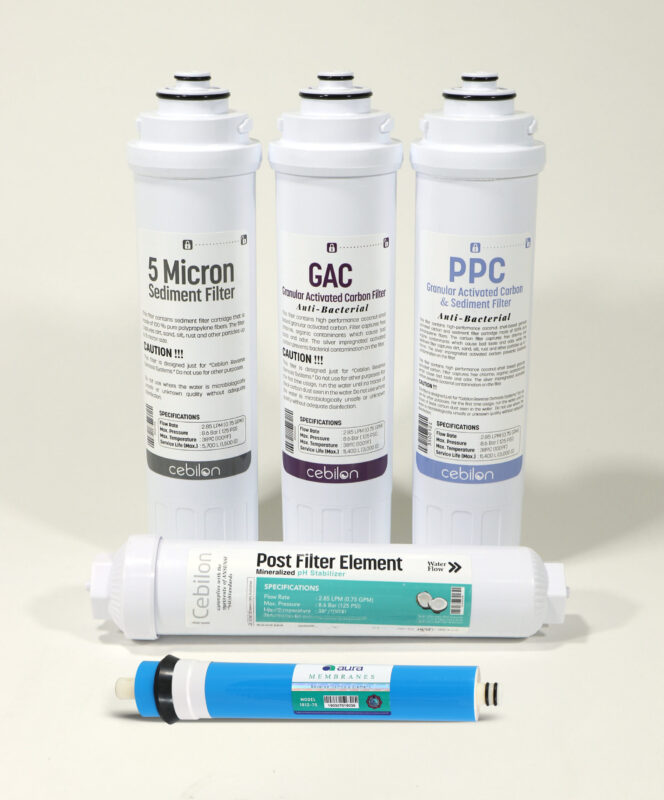
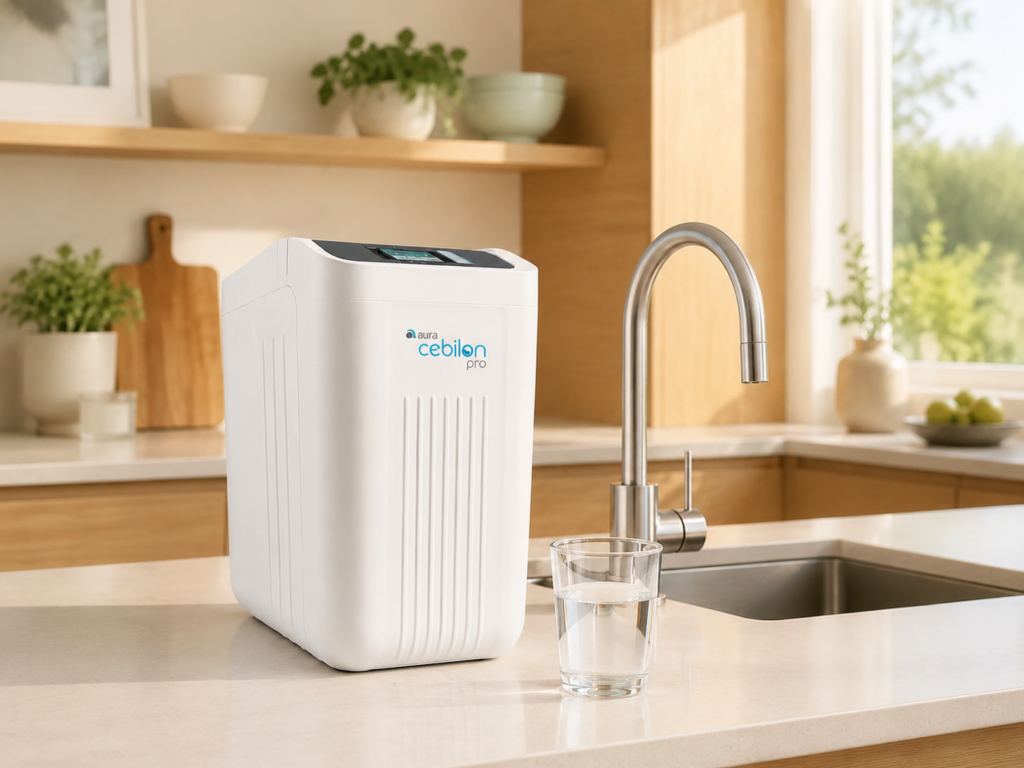
The Aura Pro system is engineered for advanced water purification through a Six-stage filtration process. Each component is NSF/ANSI certified, ensuring effective removal of lead, chlorine, cysts, VOCs, and other common contaminants. The system features a compact, pressurised storage tank for consistent water flow and is backed by Aura’s robust UK-based warranty and support network.

Unique Seling Points of Aura Water Filters

  • NSF Certified Components.
  • Built in Storage Tank
  • Digital Screen with Filter Life Tracking
  • 6 Stage Filtration
  • Reverse Osmosis Tecnolgy
  • PH Stabiliser & Mineralizer

YOUR ASSURANCE

Certified Systems

Certified by NSF International

Why Reverse Osmosis is the Only Way to Filter Your Water

• Reverse Osmosis (RO) uses a fine semi-permeable membrane (~0.2 nm) to remove dissolved solids, salts, heavy metals and microorganisms .
•Unlike carbon-only filters, RO provides the most comprehensive purification, rivalled only by distillation.

•Efficiency: Produces high-purity water on demand; rejects perchlorate, fluoride, nitrates and more.

While traditional filtration methods—such as activated carbon and ceramic filters—can reduce certain contaminants like chlorine and sediment, they fall short in several key areas:
•They do not remove dissolved substances, including heavy metals, nitrates, and fluoride.
•They offer limited protection against microorganisms, leaving your water vulnerable to bacteria and viruses.
•They often fail to address long-term health risks associated with unseen contaminants.
•Shorter lifespan and frequent filter replacements lead to more maintenance and ongoing costs.

Effect of Drinking Water on Human Organs

Kidneys: Reduces burden of filtering toxins; aids normal function. Digestive system Improved hydration helps nutrient absorption; removes gastrointestinal pathogens .

Bones/Teeth: Removes contaminants linked to dental issues or heavy-metal deposition.

Immune system: Clean water lowers risk of infection from bacteria, viruses or parasites .

Skin: Soft, chlorine-free water is less irritating and benefits conditions like eczema

Drinking Water Issues in the UK

Taste and Odor

Water can sometimes have an unpleasant taste or smell, which can be due to various factors like chlorine, minerals, or algae.

In some cases, this can be a temporary issue related to changes in the water supply or maintenance work.

Limescale

Limescale, a buildup of calcium and magnesium, is common in hard water areas and can affect the taste and appearance of water.

It can also cause problems with appliances like kettles and washing machines.

Bacteria and Parasites

While treated water should be free of harmful bacteria, outbreaks of parasites like Cryptosporidium have occurred in the past, requiring residents to boil their water.

These outbreaks are rare, but they highlight the potential for waterborne illnesses.

Lead

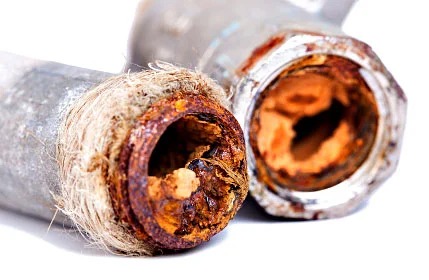
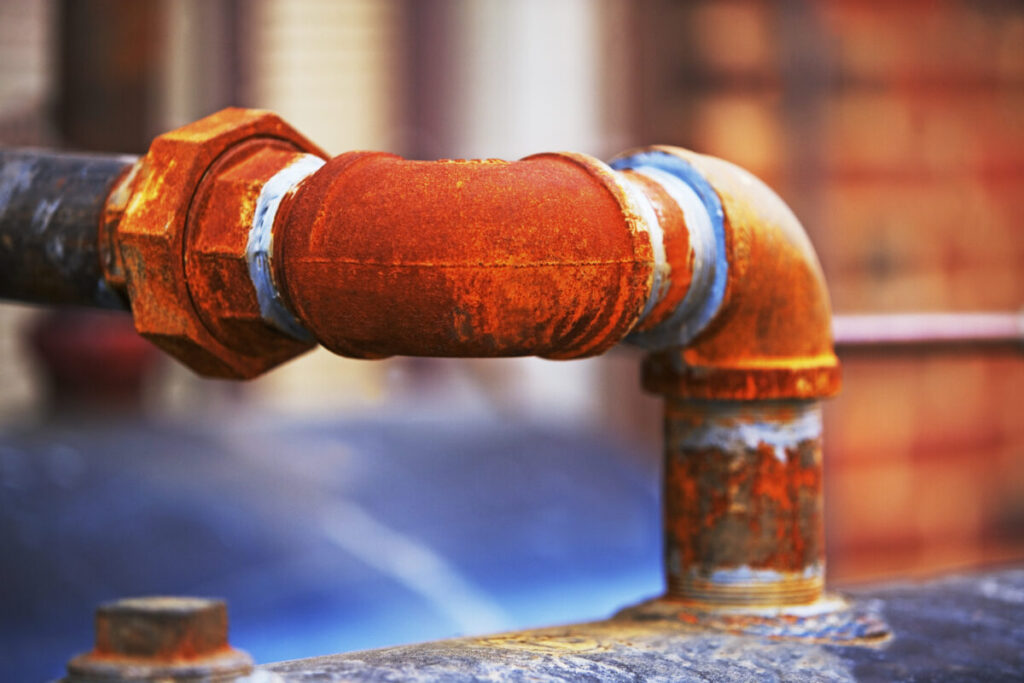
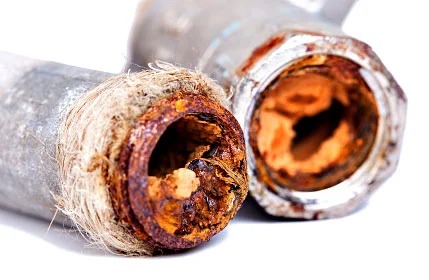
Lead pipes in older properties can leach lead into the water supply, especially if the pipes are corroded.

Lead is a toxic substance, and exposure can be harmful, particularly for young children.

PFAS (Per- and Polyfluoroalkyl Substances)

PFAS, also known as “forever chemicals,” are a group of synthetic chemicals used in many products.

A BBC study found that PFAS levels in some UK tap water exceeded European safety limits, although not the current UK standards.

PFAS are linked to cancer and other diseases, and their presence in drinking water is a growing concern.

Sewage and Pollution

Sewage overflows and agricultural runoff can contaminate water sources, leading to pollution and potential health risks.

The Tideway project in London aims to address sewage overflow into the Thames River, but this is a large-scale infrastructure issue.

Curious Questions and Their Answers About Aura Cebilion Water Filters

AURA CEBILON water filters are manufactured by IHEVA, a stock exchange floating Turkish company with 40 years of experience in providing efficient and clean water solutions for both residential and commercial needs. Based in the Istanbul area for nearly four decades, AURA CEBILON is staffed by a team of water filtration specialists who prioritize strict quality control and customer satisfaction, with distribution in over 30 countries worldwide. The AURA CEBILON team is dedicated to enhancing customers’ quality of life through effective water filtration solutions, ensuring peace of mind.

AURA CEBILON Water Systems focus on simple, DIY installations…ne the best system for your needs. Contact us for personalised advice.

The Pro and Iflow models require electricity as they are equipped with pumps and need to be plugged in. However, the Silver model operates without electricity.

Our filtration systems are designed for efficiency. On average, for every litre of filtered water produced, approximately 2 litres of water may be discharged as wastewater. This ratio can vary slightly depending on water pressure, temperature, and overall quality. We are continuously working on innovations to reduce wastewater and improve sustainability.

Aura Cebilon Pro 6-Stage Filter Test!

How to Perform a Water Test

Why Use Filtered Water? (Step-by-Step Guide)

A Step-by-Step Guide

Explore the knowledge base

Step 1 – Understand What’s in Your Tap Water

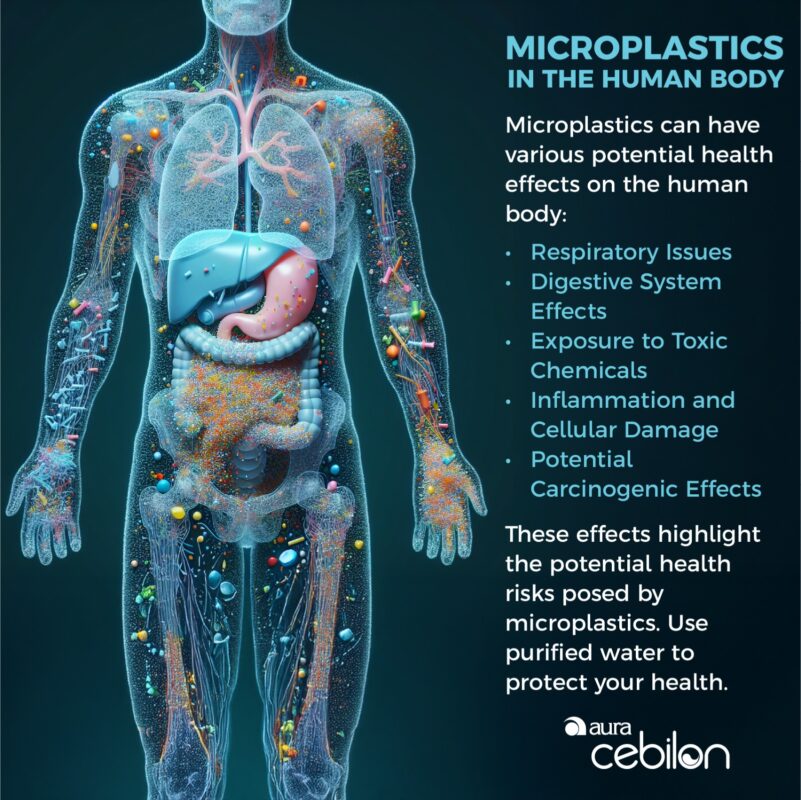
Although UK tap water complies with safety regulations, it may still contain unwanted substances such as chlorine, heavy metals, microplastics, and limescale. Older buildings or areas with outdated infrastructure are especially at risk of water contamination.

Despite treatment and regulation, UK tap water often contains a range of contaminants that may affect your health and well-being. These impurities vary by location and can include chemicals, heavy metals, and even microplastics. Understanding what’s in your water is the first step toward making it safer.

1. Chlorine Chlorine is added to water supplies across the UK to kill harmful bacteria. While effective as a disinfectant, chlorine can leave behind a strong chemical taste and odour, and long-term exposure has been associated with skin irritation and respiratory issues.

2. Lead Many older UK properties still have lead plumbing. Even in small amounts, lead can leach into drinking water, posing serious health risks—especially for children and pregnant women. This contaminant is particularly dangerous because it accumulates in the body over time.

3. Microplastics Tiny plastic particles from synthetic clothing, packaging, and cosmetics have been detected in UK tap water. Traditional treatment plants are not equipped to fully remove microplastics, and research into their health effects is ongoing but concerning.

4. Pesticide Residues Agricultural activity across the UK results in pesticide runoff entering water supplies. Though treated, trace amounts of these chemicals often remain, contributing to long-term health risks and affecting the taste and purity of drinking water.

5. Nitrates Nitrates from fertilisers and animal waste can seep into groundwater. High levels in drinking water are linked to conditions such as “blue baby syndrome” and other serious health effects, making them a major concern in rural areas.

Step 2 – Improve Taste and Odour

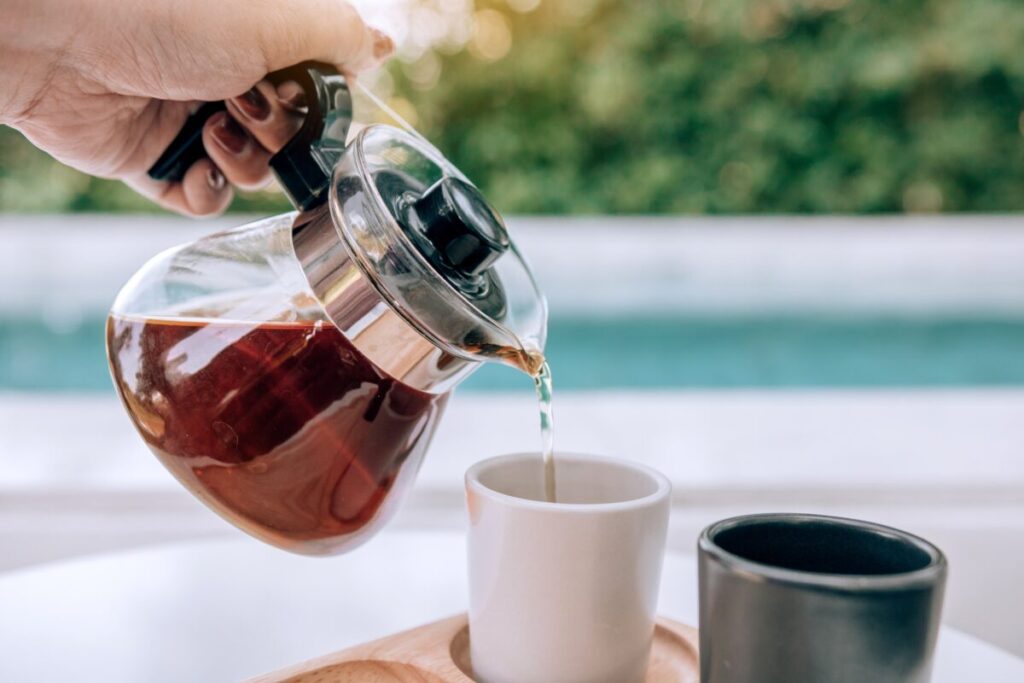
Tap water treated with chlorine and other disinfectants can have a strong taste or smell. Filtration removes these impurities, resulting in water that tastes fresher and cleaner—ideal for drinking as well as making tea and coffee.

Better Taste

The removal of chlorine, minerals, and other impurities often improves the taste and odour of water.

Why Filtered Water Makes Better Tea and Coffee

When it comes to enjoying the perfect cup of tea or coffee, we often focus on the quality of the leaves or beans. However, one of the most overlooked ingredients is also the most essential: water. Since a typical cup of tea or coffee is made up of around 98% water, the quality of the water you use can dramatically affect both the flavour and aroma of your favourite brew.

The Hidden Impact of Tap Water

Tap water in the UK often contains a range of impurities—including chlorine, heavy metals, limescale, and sediment—that can negatively affect both taste and health. While it may meet basic safety standards, it’s far from ideal for making high-quality tea or coffee.

Hard water, which is common in many areas of the UK, contains a high level of calcium and magnesium. This can lead to scale build-up in your kettle or coffee machine, reduce appliance lifespan, and leave a chalky film on the surface of your drinks.

How Filtered Water Enhances Flavour

Filtered water removes these unwanted elements, providing a cleaner, purer base for brewing. The absence of chlorine and heavy metals allows the natural oils in coffee and the tannins in tea to shine through, producing a smoother, more aromatic cup.

In blind taste tests, both tea and coffee made with filtered water consistently outperform those made with unfiltered tap water. The difference is often described as richer, more balanced, and less bitter.

Better for You, Better for Your Appliances

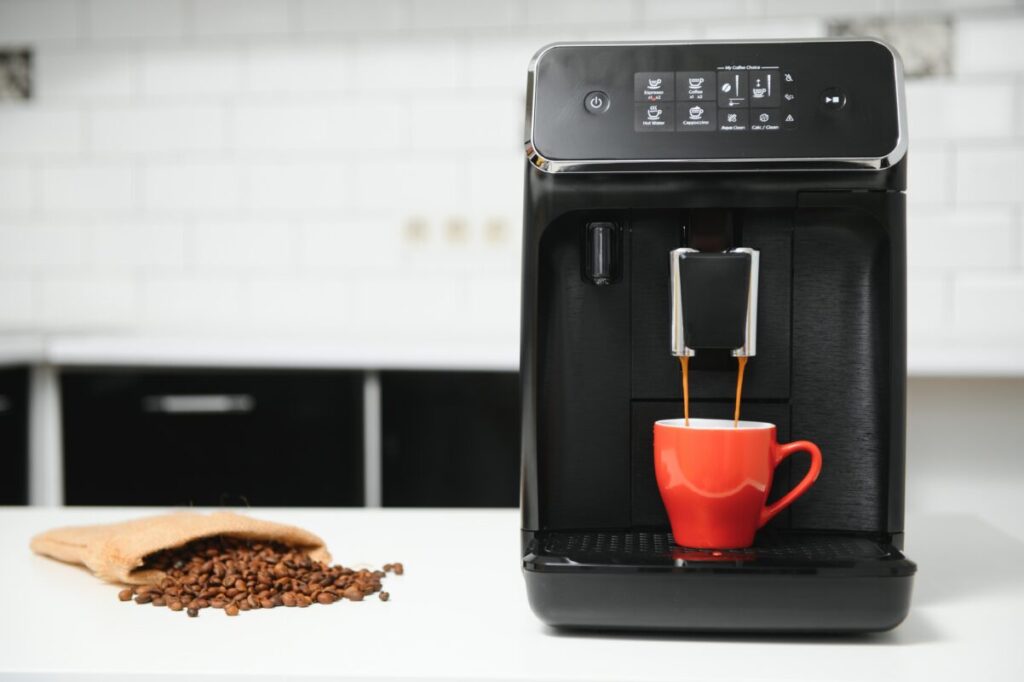
Using filtered water not only improves the taste but also benefits your health and household appliances. It reduces your intake of potentially harmful substances and helps prevent scale build-up in kettles, espresso machines, and coffee brewers—saving you money on maintenance and replacements in the long term.

 

Step 3 – Safeguard Your Health

Filtered water helps reduce exposure to harmful substances such as lead, nitrates, pesticides, and pharmaceutical residues. This can support kidney function, improve digestion, and benefit children and vulnerable individuals in particular.

Clean, filtered water plays a vital role in maintaining and enhancing overall health across all stages of life. Whether you are an athlete, a parent-to-be, or simply aiming for a healthier lifestyle, the benefits of purified water are far-reaching.

For Fitness Enthusiasts
Filtered water is a game-changer. It promotes better hydration, enhances physical performance, boosts energy levels, and speeds up post-workout recovery. It can also help reduce muscle cramps, support weight management, and improve skin health.

During Pregnancy
Filtered water removes harmful impurities while retaining essential minerals such as magnesium, fluoride, calcium, and zinc. These nutrients support both mother and baby by contributing to proper development and protecting against toxins.

Vital Organ Support
Tap water may contain contaminants that can place unnecessary strain on vital organs. By choosing filtered water, you reduce your exposure to harmful substances, thereby supporting heart health, improving kidney function, enhancing circulation, and limiting toxin build-up.

For Adults

Clean water aids in oxygenating the blood and flushing toxins from the body. This helps your cells function more efficiently, leading to improved agility, sharper reflexes, and overall better physical and mental performance.

For Children
Children’s developing immune systems are more susceptible to waterborne threats. Filtered water supports their digestion and immune function, helping them absorb nutrients more effectively and grow healthily.

For the Elderly
As we age, our bodies become more vulnerable to pathogens and environmental pollutants. Drinking filtered water helps maintain a strong immune system, supports digestion, and reduces the risk of infection by keeping harmful bacteria at bay.

Step 4 – Protect Appliances and Save Money

Hard water contributes to limescale build-up in kettles, Coffe Machine, and washing machines, reducing their efficiency and lifespan. Using filtered water minimises maintenance costs and extends the longevity of household appliances.

Learn More

Cost-Effectiveness

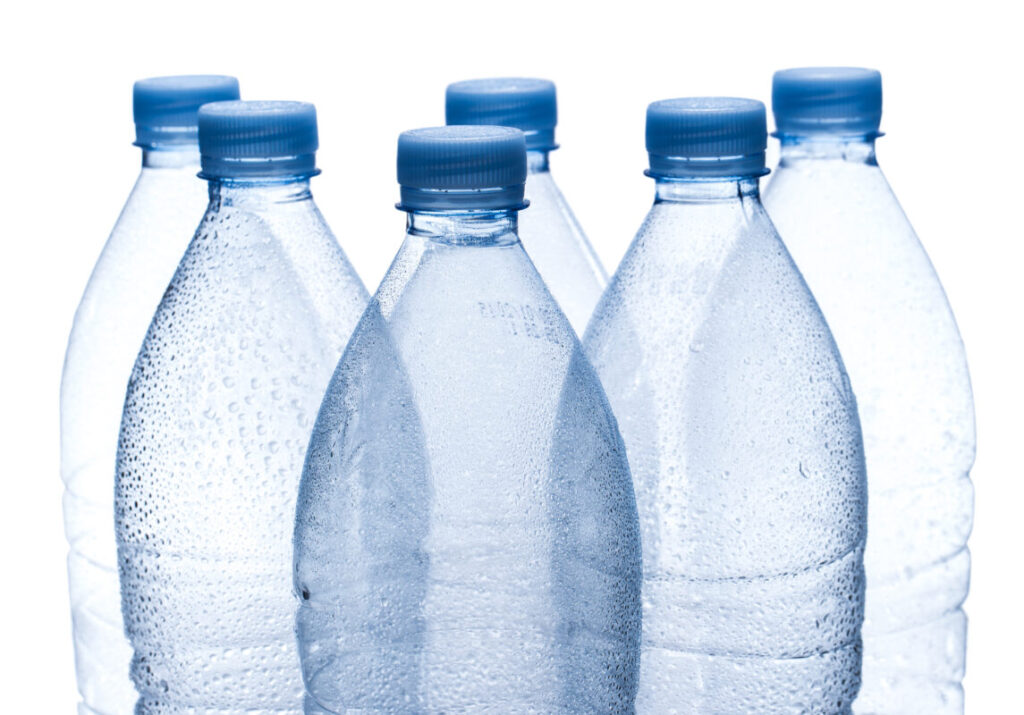
At first glance, bottled water seems affordable, especially when bought in small quantities. However, over time, the costs add up significantly. For households that regularly purchase bottled water, this can amount to hundreds, if not thousands, of pounds annually.


A reverse osmosis system requires an upfront investment and occasional maintenance (such as filter replacement), but the ongoing cost of producing filtered water at home is minimal compared to the continuous expense of buying bottled water. Over the long term, an RO system proves to be a much more economical solution.

Better for You, Better for Your Appliances

Using filtered water not only improves the taste but also benefits your health and household appliances. It reduces your intake of potentially harmful substances and helps prevent scale build-up in kettles, espresso machines, and coffee brewers—saving you money on maintenance and replacements in the long term.
Step 5 – Make an Eco-Friendly Choice

Filtered water significantly reduces the need for single-use plastic bottles, helping to lower plastic waste. Modern systems like reverse osmosis may use some water in the process, but the long-term environmental impact is much smaller than bottled alternatives.
Plastic Production and Waste
Each year, billions of plastic bottles are produced worldwide. Manufacturing these bottles requires vast amounts of fossil fuels, contributing to carbon emissions and accelerating climate change. According to industry estimates, producing a single plastic bottle can take up to three times the amount of water that the bottle itself holds.


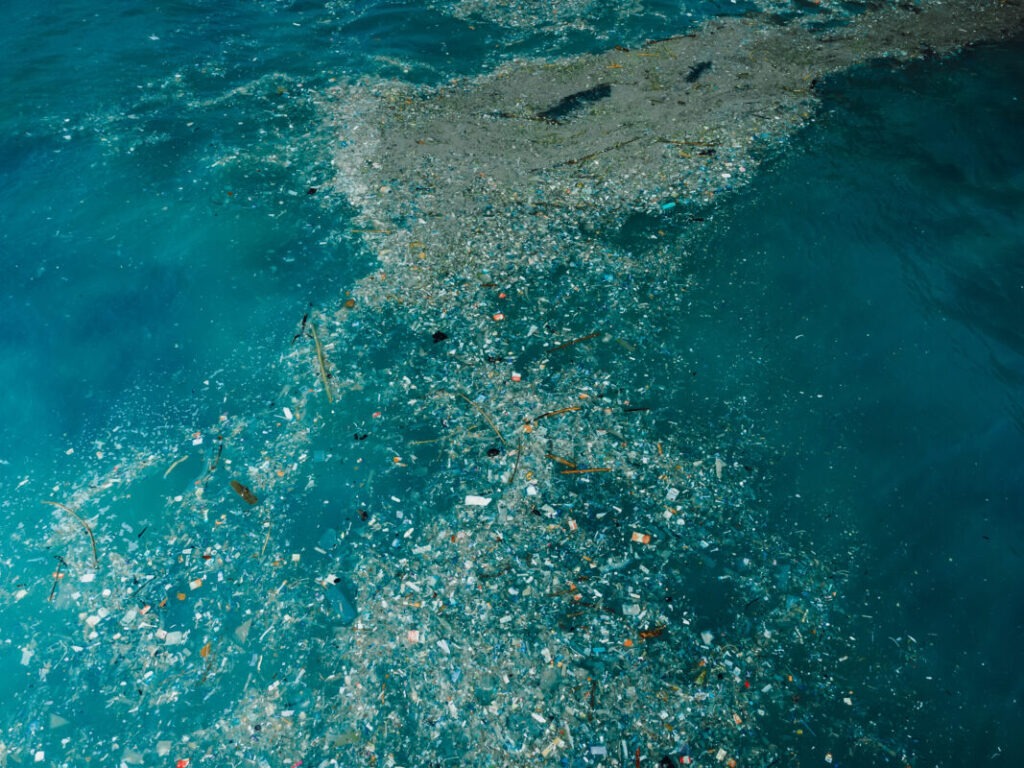
What’s more concerning is that only about 9% of plastic waste is recycled globally. The rest ends up in landfills, incinerators, or worse—our oceans, where plastic pollution endangers marine life and ecosystems.

Transportation Emissions
Bottled water often travels hundreds or even thousands of miles from source to shelf. The transportation process—whether by trucks, ships, or planes—burns fossil fuels and adds to greenhouse gas emissions. It’s estimated that the carbon footprint of bottled water can be up to 1,000 times greater than tap water.
Water Resource Depletion
Bottling companies extract vast quantities of water from natural springs and aquifers, often impacting local communities and ecosystems. In some cases, water extraction has led to lower groundwater levels, affecting nearby agriculture and wildlife habitats.

Step 6 – Get to Know Filtration Technologies

Activated carbon filters remove chlorine, odours, and some chemicals from the water.

Reverse osmosis (RO) eliminates up to 99% of dissolved solids, bacteria, and heavy metals, offering multi-stage purification.

Alkaline remineralisation filters reintroduce healthy minerals after RO filtration, balancing pH and improving taste.

Understanding Reverse Osmosis: How It Works and Why UK Homes Need It

Reverse osmosis (RO) is one of the most effective and widely used methods for water filtration, especially in countries like the UK where tap water may contain chlorine, limescale, and other impurities. But what exactly is reverse osmosis, and why should you consider it for your home?

What Is Reverse Osmosis?

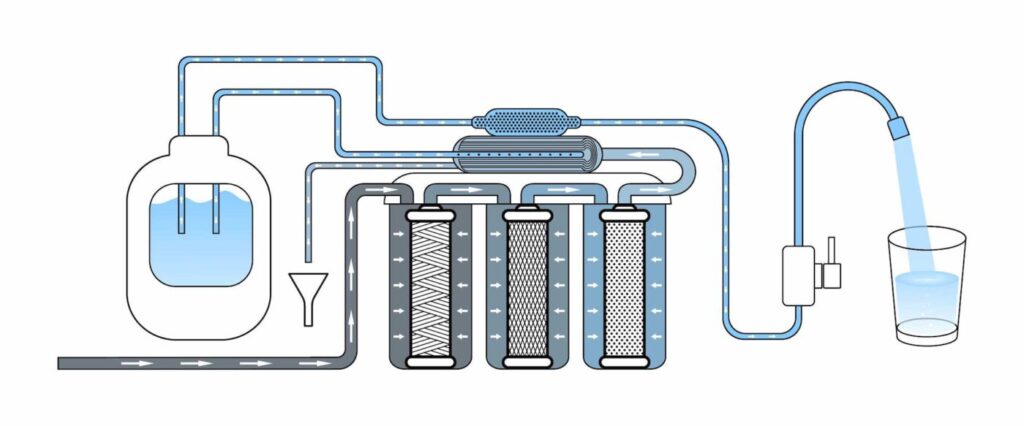
Reverse osmosis is a water filtration process that removes contaminants from unfiltered water by using pressure to force water molecules through a semipermeable membrane. During this process, impurities such as heavy metals, fluoride, chlorine, and nitrates are filtered out, leaving clean, fresh-tasting water.

Why Reverse Osmosis Is the Superior Choice Over Traditional Water Filtration

When it comes to ensuring the highest quality drinking water for your home or business, not all filtration methods are created equal. Reverse Osmosis (RO) systems offer a level of purification that traditional filtration methods simply cannot match. If your goal is clean, safe, and pure water, reverse osmosis is the clear choice.

What Is Reverse Osmosis and Why Does It Matter?

Reverse osmosis is a highly advanced filtration process that forces water through an ultra-fine, semi-permeable membrane. This process effectively removes up to 99% of all impurities, including:
•Heavy metals such as lead and mercury
•Harmful chemicals like chlorine and fluoride
•Nitrates, sulphates, and other dissolved solids
•Microorganisms, including bacteria and viruses